The Northeast Earth Coalition

Our Programs

The Northeast Earth Coalition four programs: Environmental Initiatives, Urban Growers, Community Outreach, and Community Food Network.

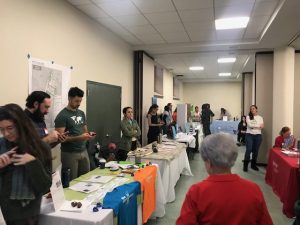
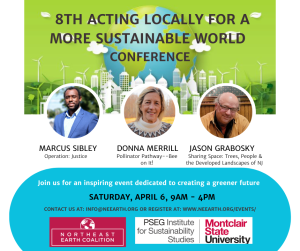
This program presents free workshops and training to educate the public about environmental issues, promote the protection of the environment, and create community level environmental education projects, and organize our annual conference “Acting Locally for a More Sustainable World.”

MONTCLAIR BEE CITY USA
Montclair Becomes a Bee City USA: A Milestone for Biodiversity

By: Jose German Gomez

NEEC Leads the Way in Pollinator Conservation and Community Engagement

On September 9, Montclair’s commitment to environmental stewardship reached a new height with the passage of the Bee City USA resolution by the Montclair Town Council. This landmark decision, strongly supported by the Northeast Environmental Education Center (NEEC), officially affiliates Montclair with the prestigious Xerces Society’s Bee City USA program—a network dedicated to fostering healthy pollinator populations and advancing ecological sustainability in communities nationwide.

The Bee City USA Resolution: Purpose and Vision

The Bee City USA program, initiated by the Xerces Society, is recognized for its scientific rigor and its advocacy for pollinator-friendly policies. By joining this program, Montclair pledges to protect vital pollinators—such as bees, butterflies, and other insects—that are fundamental to local and global ecosystems. The resolution sets forth a vision for Montclair to become a leader in promoting biodiversity, fostering native plant landscapes, and supporting community-wide environmental education.

NEEC’s Role in Community Education and Habitat Creation

Central to the resolution is the prominent role of the NEEC. As a trusted environmental organization, NEEC is tasked with spearheading educational initiatives to raise public awareness about pollinators, native plants, and pollinator-friendly landscaping practices. Through workshops, outreach campaigns, and school partnerships, NEEC will ensure that residents understand the importance of pollinators to food production, ecosystem resilience, and climate adaptation.

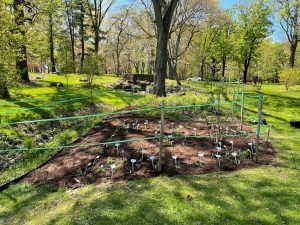
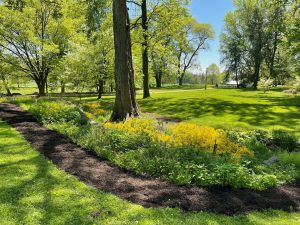
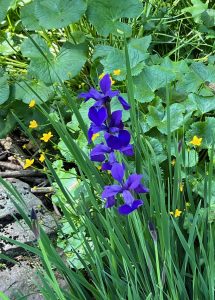
In collaboration with the Township of Montclair, NEEC will also lead efforts to establish and expand pollinator habitats across public and private lands. Three flagship NEEC pollinator projects—at Brookdale Park, Crane Park, and First Congregation Church—will serve as models, demonstrating best practices in habitat restoration and providing inspiration for further community involvement.

Collaborative Efforts for Sustainable Impact

The NEEC will work hand in hand with the Parks and Recreation Advisory Committee and the Township of Montclair Sustainability Office to coordinate these efforts. This partnership aims to maximize resources, integrate pollinator conservation into broader sustainability goals, and ensure the long-term success of Bee City USA initiatives throughout Montclair. Together, these organizations will guide policy, facilitate habitat creation, and help develop educational resources tailored to the needs of the community.

Promoting Biodiversity: A Model for Area Communities

The passage of the Bee City USA resolution is not only a milestone for Montclair; it sets a precedent for other communities in the region. By prioritizing pollinator health and native habitats, Montclair demonstrates how local governments and community organizations can collaborate to promote biodiversity and ecological resilience. The town’s approach—engaging citizens, leveraging expert partnerships, and modeling successful projects—offers a blueprint for neighboring municipalities seeking to enhance their own sustainability initiatives.

Looking Forward

As Montclair begins its journey as a Bee City USA affiliate, the dedication of the NEEC and its partners will be instrumental in achieving lasting change. The resolution marks an important step in safeguarding pollinator populations, restoring natural habitats, and embracing the interconnectedness of urban life and nature. Through education, engagement, and habitat creation, Montclair is poised to become a beacon of biodiversity—its commitment echoing far beyond town borders, inspiring others to join the movement for a healthier planet.

Building on these accomplishments, the Northeast Earth Coalition’s activism has profoundly shaped Montclair’s environmental landscape and inspired action in neighboring towns. The introduction of the Montclair Backyard Wildlife Habitat propelled the township into history as the first municipality in New Jersey to earn the designation of Wildlife Habitat Community, and the ninth such community recognized nationally. This pioneering spirit continued as NEEC spearheaded Montclair’s recognition as a Monarch Butterfly City USA, reaffirming its leadership in pollinator advocacy.

In 2020, the NEEC brought the Pollinator Pathway initiative to New Jersey, weaving together corridors of native plantings to sustain and connect pollinator populations across communities. Their forward-thinking vision reached another milestone in 2023, when NEEC submitted groundbreaking legislation for Native Vegetation. This effort resulted in Montclair becoming only the second municipality in the state to enact an ordinance focused on protecting native flora move that strengthens local ecosystems while setting a progressive example for others to follow.

Through these persistent and innovative efforts, the NEEC has helped Montclair emerge as a beacon of environmental stewardship, motivating neighboring towns to join in cultivating landscapes where both wildlife and communities can thrive.

Summary

Montclair’s adoption of the Bee City USA program, led by NEEC in partnership with local government committees, demonstrates a commitment to protecting pollinators and promoting biodiversity. Through education, community engagement, and habitat creation, Montclair aims to set a regional example for sustainable environmental practices, ensuring long-term ecological resilience and inspiring other communities to follow suit.

TOWNSHIP OF MONTCLAIR – OFFICIAL RESOLUTION:

R-25-279 TOWNSHIP OF MONTCLAIR RESOLUTION DESIGNATING THE TOWNSHIP OF MONTCLAIR AS A BEE CITY USA® AFFILIATE September 9, 2025

Page 1 of 3

WHEREAS, the mission of BEE CITY USA® is to galvanize communities to sustain pollinators, responsible for the reproduction of almost 90% of the world’s flowering plant species, by providing them with healthy habitat, rich in a variety of native plants and free to nearly free of pesticides; and

WHEREAS, thanks to the more than 3,600 species of native bees in the United States, along with introduced honeybees, we have very diverse dietary choices rich in fruits, nuts, and vegetables; and

WHEREAS bees and other pollinators have experienced population declines due to a combination of habitat loss, poor nutrition, pesticides (including insecticides, fungicides, and herbicides), parasites, diseases, and climate change; and

WHEREAS, pollinator-friendly communities can benefit local and regional economies through healthier ecosystems, increased vegetable and fruit crop yields, and increased demand for pollinator-friendly plant materials from local growers; and

WHEREAS, ideal pollinator-friendly habitat (A) consists mostly of native wildflowers, grasses, vines, shrubs, and trees blooming in succession throughout the growing season to provide diverse and abundant nectar and pollen, since many wild pollinators prefer or depend on the native plants with which they co-adapted; (B) is free of pesticides, as many pesticides can harm pollinators and/or their habitat; (C) includes undisturbed spaces such as leaf and brush piles, unmown fields or field margins, fallen trees and other dead wood for nesting and overwintering; and (D) provides connectivity between habitat areas to support pollinator movement and resilience; and

WHEREAS, pollinator-friendly pest management requires a long-term approach to maintaining healthy landscapes and facilities that minimizes risks to people and the environment by identifying and removing the causes of pest problems rather than only attacking the symptoms (the pests); employing pests’ natural enemies along with cultural, mechanical, and physical controls when prevention is not enough; and

WHEREAS, neonicotinoids are a class of insecticides that that are highly toxic to beneficial insects including pollinators like bees and butterflies, and a recent Environmental Protection Agency (EPA) study found that the use of the top three most prevalent neonicotinoids puts over 200 species at risk of extinction; and

WHEREAS, in order to protect pollinators, the use of neonicotinoids is restricted under NJ State Law (P.L. 2021, c.386) Restricting Neonicotinoid Pesticide Use; and

WHEREAS, to further reduce environmental hazards, the Township of Montclair has taken additional measures to prohibit the use of synthetic pesticides (including neonicotinoids) on Township property, per Ordinance O-25-22; and

TOWNSHIP OF MONTCLAIR RESOLUTION R-25-279

Page 2 of 3

WHEREAS, supporting pollinators fosters broad-based community engagement in environmental awareness and sustainability; and

WHEREAS, Montclair should be certified as a BEE CITY USA® community because of the Township’s dedication to sustainability and protecting the natural environment. New Jersey’s native pollinators, such as native bees, are vital for the longevity of the community’s natural habitats; and

WHEREAS, BEE CITY USA® affiliates receive a package of support designed to promote pollinator conservation, that includes access to workshops, trainings, and experts

NOW, THEREFORE, BE IT RESOLVED, in order to enhance understanding among local government staff and the public about the vital role that pollinators play and what each of us can do to sustain them, Montclair chooses to support and encourage healthy pollinator habitat creation and enhancement, resolving as follows:

  1. Montclair’s Office of Sustainability is designated as the sponsor of Montclair’s BEE CITY USA® program.
  2. The Chair of the Township’s Parks and Recreation Committee and Montclair’s Office of Sustainability are designated as the BEE CITY USA® Liaisons.
  3. Facilitation of Montclair’s BEE CITY USA® program is assigned to representatives of the Northeast Earth Coalition, a 501(c)(3) organization based in the Township, and representatives of the Parks and Recreation Advisory Board. They are responsible for establishing and facilitating the Bee City Montclair Committee.
  4. The Bee City Montclair Committee is authorized to and shall be responsible for the following:


  1. Celebration: Host at least one educational event or pollinator habitat planting or restoration each year to showcase Montclair’s commitment to raising awareness of pollinator conservation and expanding pollinator health and habitat.
  2. Publicity & Information: Install and maintain at least one authorized BEE CITY USA® street sign in a prominent location, and create and maintain a webpage on the Montclair Township website that includes, at minimum, a copy of this resolution and links to the national BEE CITY USA® website; contact information for its BEE CITY USA® Liaison and Committee; reports of the pollinator-friendly activities the community has accomplished the previous year(s); and its recommended native plant species list and pollinator-friendly pest management plan.

TOWNSHIP OF MONTCLAIR RESOLUTION R-25-279

Page 3 of 3

  1. Habitat: Develop a program to create or expand pollinator-friendly habitat on public and private land, which includes, but is not limited to: identifying and inventorying Montclair’s real property that can be enhanced with pollinator-friendly plantings; creating a recommended locally native plant list to include wildflowers, grasses, vines, shrubs, and tree and a list of local suppliers for those species; and tracking (by square footage and/or acreage) annual area of pollinator habitat created or enhanced.
  2. Pollinator-Friendly Pest Management: Create and adopt a pollinator-friendly pest management plan in accordance with Township Codes designed to prevent problems with pests, such as mosquitoes, and ultimately eliminate pesticide use. Pollinator-friendly pest management promotes biodiversity by incorporating pollinator-attractive and pest-resistant plant varieties and utilizes natural pest control that attracts and protects beneficial insects.


  1. Policy & Plans: Establish a Save the Bees Plan in Montclair and acknowledge and commit to the BEE CITY USA® designation and review the Save the Bees Plan and other relevant documents to consider improvements to pest management policies and practices as they relate to pollinator conservation, identify appropriate locations for pollinator-friendly plantings, and consider other appropriate measures.


  1. Renewal: After completing the first calendar year as a BEE CITY USA® affiliate, each February, apply for renewal of Montclair’s BEE CITY USA® designation following the format provided by BEE CITY USA®, including a report of the previous year’s BEE CITY USA® activities, and paying the renewal fee based on Montclair’s population.
RECORD OF COUNCIL VOTE
COUNCIL MEMBER MOVANT SECOND YES NO ABSTAIN ABSENT
Deputy Mayor Andersen
Councilor Birmingham
Councilor D’Amato
Councilor Loughman
Councilor Toler
Councilor Williams
Mayor Baskerville


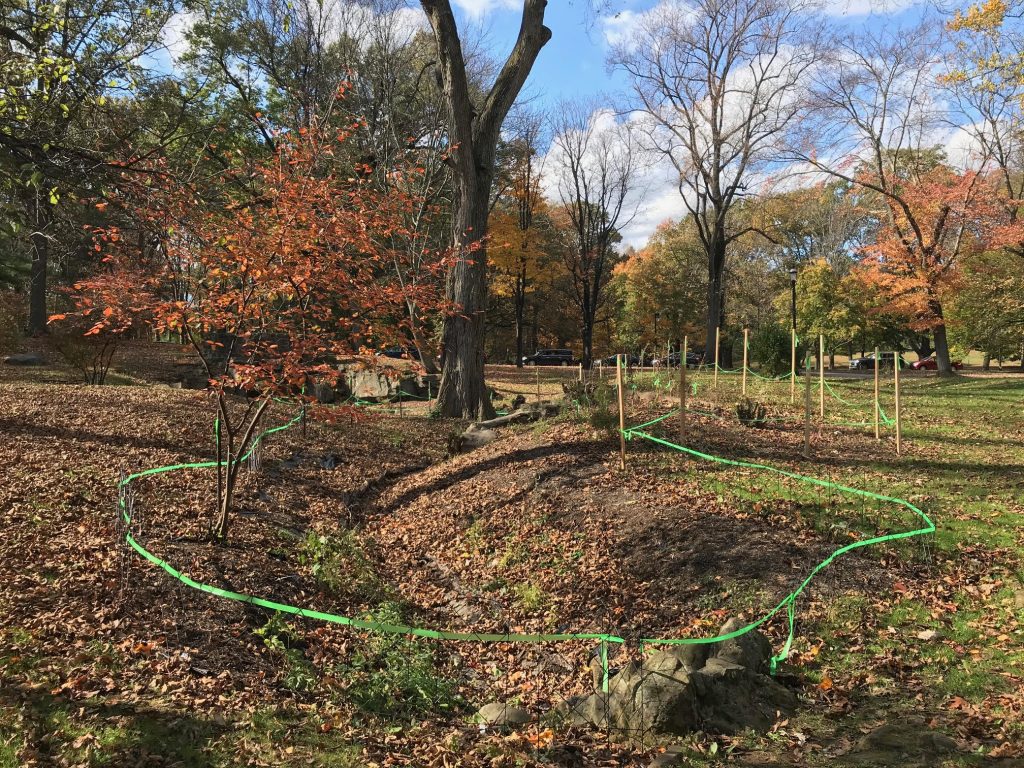
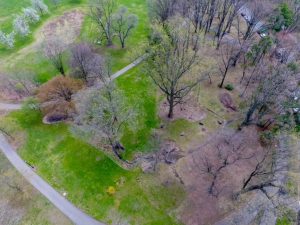
BROOKDALE OVERLOOK SPRING RESTORATION PROJECT (BLOOMFIELD/MONTCLAIR, NJ).

Please click here for more details


COMMUNITY COMPOSTING PROGRAM

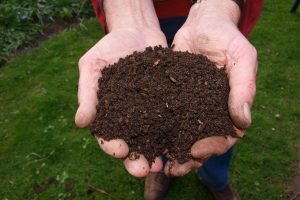
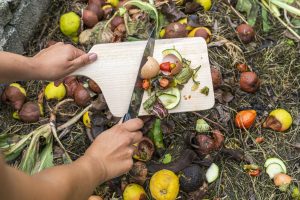
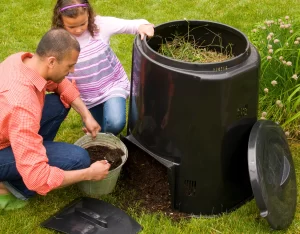
The NEEC Community Composting Program started in June 2020 with a pilot project at our garden at 94 Pine Street (Our Lady of Mt. Carmel Church). The program educates the community about composting and gives community members a chance to participate as volunteers to run the program. Composting stations have been installed in community gardens, houses of worship, schools and gardening organization. This volunteer-run program promotes social inclusion and empowerment, greener neighborhoods, improvement of local soils, enhanced food security, and increased awareness of composting.
   

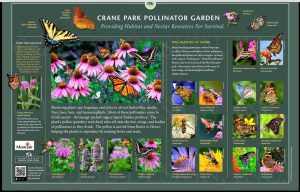
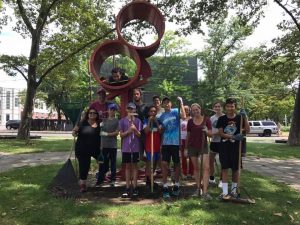
CRANE PARK ENVIRONMENTAL PROJECT
DOWNLOADS:

Learn More About the Crane Park Environmental Project
   

New Jersey Pollinator Pathway
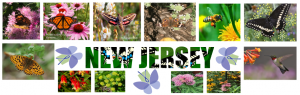
PLEASE CLICK ON THE BUTTERFLY  TO LEARN ABOUT THE PROJECT AND TO REGISTER YOUR GARDEN 

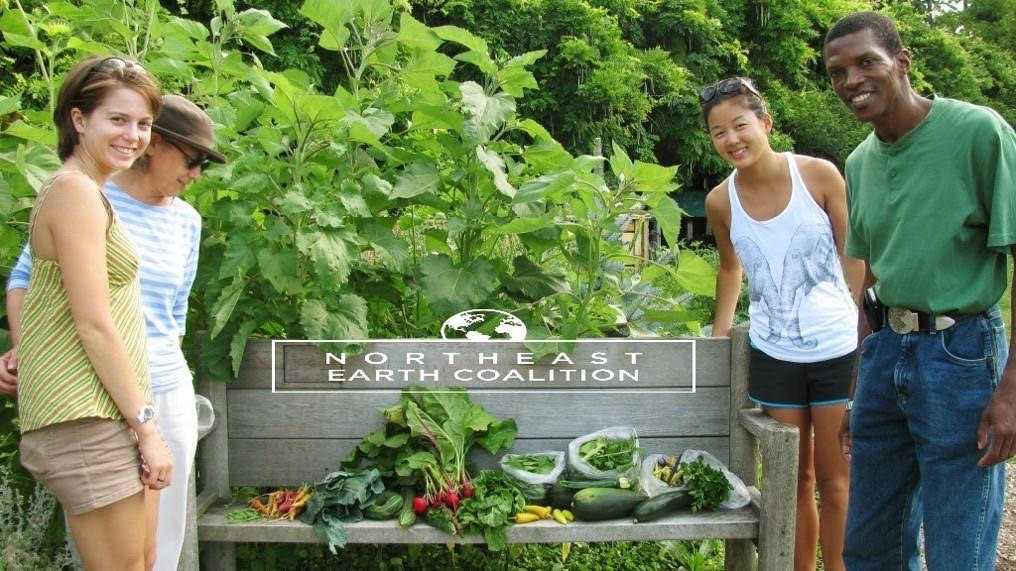
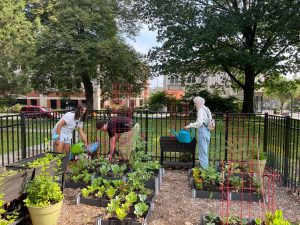
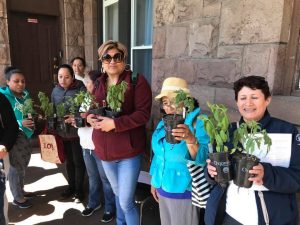
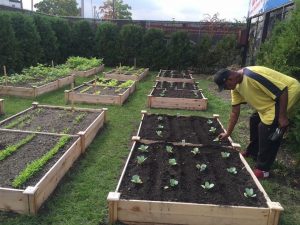
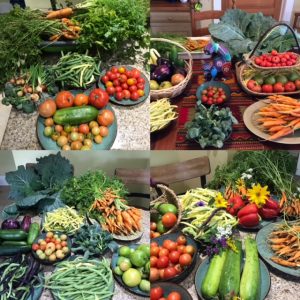
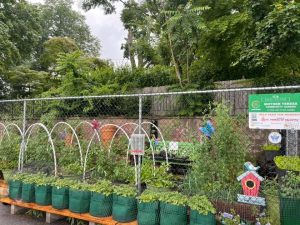
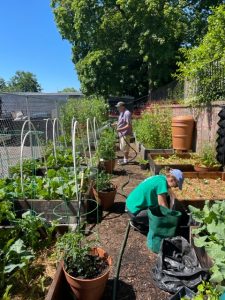
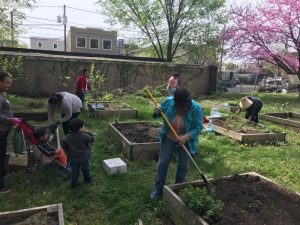
The Urban Growers Program sees the growth of community vegetable gardens as an effective strategy to make healthy organic produce accessible to low income families, ensuring that all the members of our community have access to fresh local foods. We educate, coach, and monitor the work of volunteers working with community gardens.
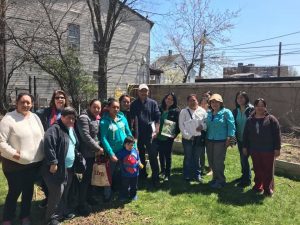


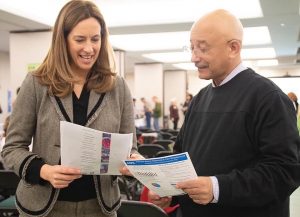
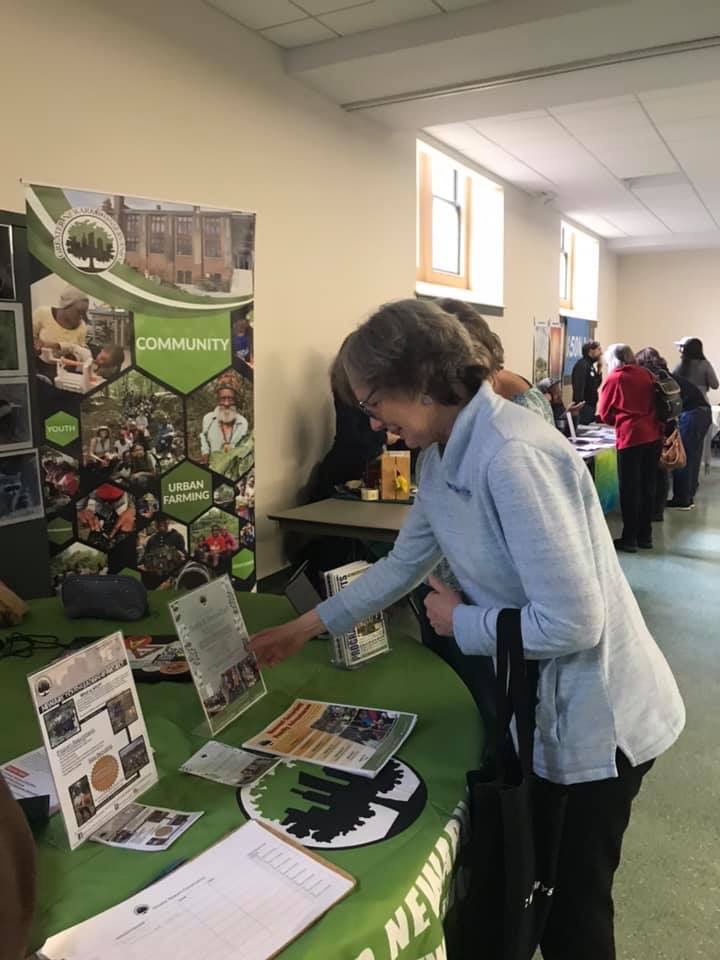
The Community Outreach Program is responsible for reaching out to environmental activists and community groups as well as building partnerships with other organizations, providing support for their work, and collaborating with their programs and agenda.  Community Outreach provides educational support and micro-grants to create workshops, trainings, cultural activities and long-term projects.


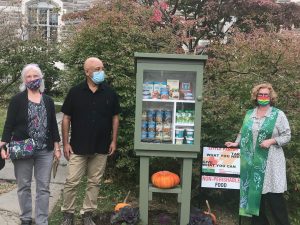
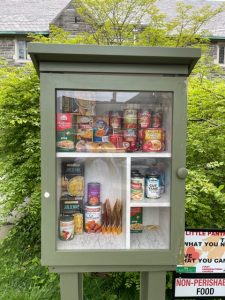
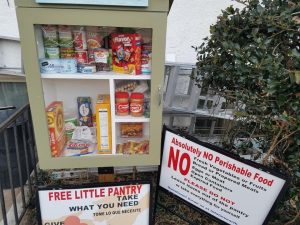
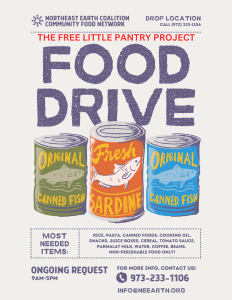
The Free Little Food Pantry Project is a grassroots crowdsourced solution to immediate local food need. Whether it’s a need for food or a need to give, mini pantries help feed neighbors, nourishing neighborhoods and building communities.

This project started in October 2020 as an initiative of our Community Outreach Program, inspired by the need for food for individuals and families during the pandemic crisis.

For additional information  about the pantry project and locations, please follow this link: FREE LITTLE PANTRY PROJECT

NEEC Strategy:

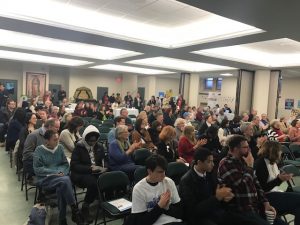
We work at the community level with direct contact through local community leaders. We support their projects and provide training and workshops. We promote our agenda via social media, the internet, and local newspapers. Every year, we gather at our annual conference and have presentations on issues including urban farming, clean water and water sources protection, renewable energy, climate change, wildlife habitat, and environmental preservation and restoration.

NEEC Scope:

We focus on northern New Jersey and have conducted activities in the communities of Paterson, Passaic, Ringwood, Totowa, Wayne, Clifton, Newark, Bloomfield, East Orange, Jersey City, and Montclair. Our webinars are covering Maine, New Hampshire, Massachusetts, Rhode Island, Connecticut, New Jersey, Pennsylvania, Delaware, Virginia and Maryland.